Milk vs. Dark Chocolate: Which One Is Right for You?
It’s the great chocolate debate that has divided households, gift boxes, and dessert menus for generations: milk or dark? Both have passionate fans, and honestly, both deserve a place in your life. Here’s how to choose — and why you don’t have to.
What Makes Them Different?
Milk Chocolate contains cocoa solids, cocoa butter, milk powder, and sugar. The milk softens the bitterness and gives it that creamy, mellow sweetness most people grew up loving.
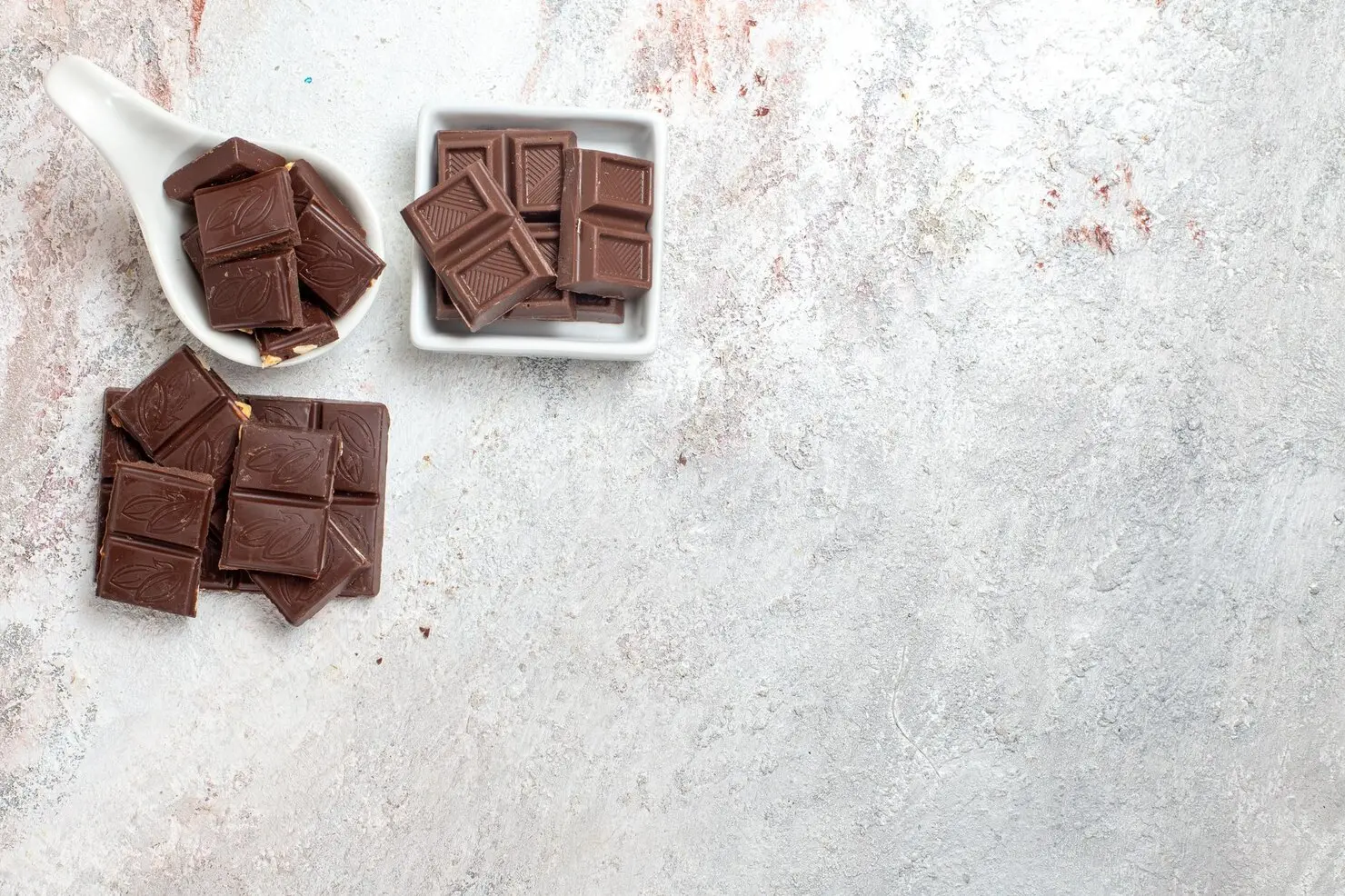
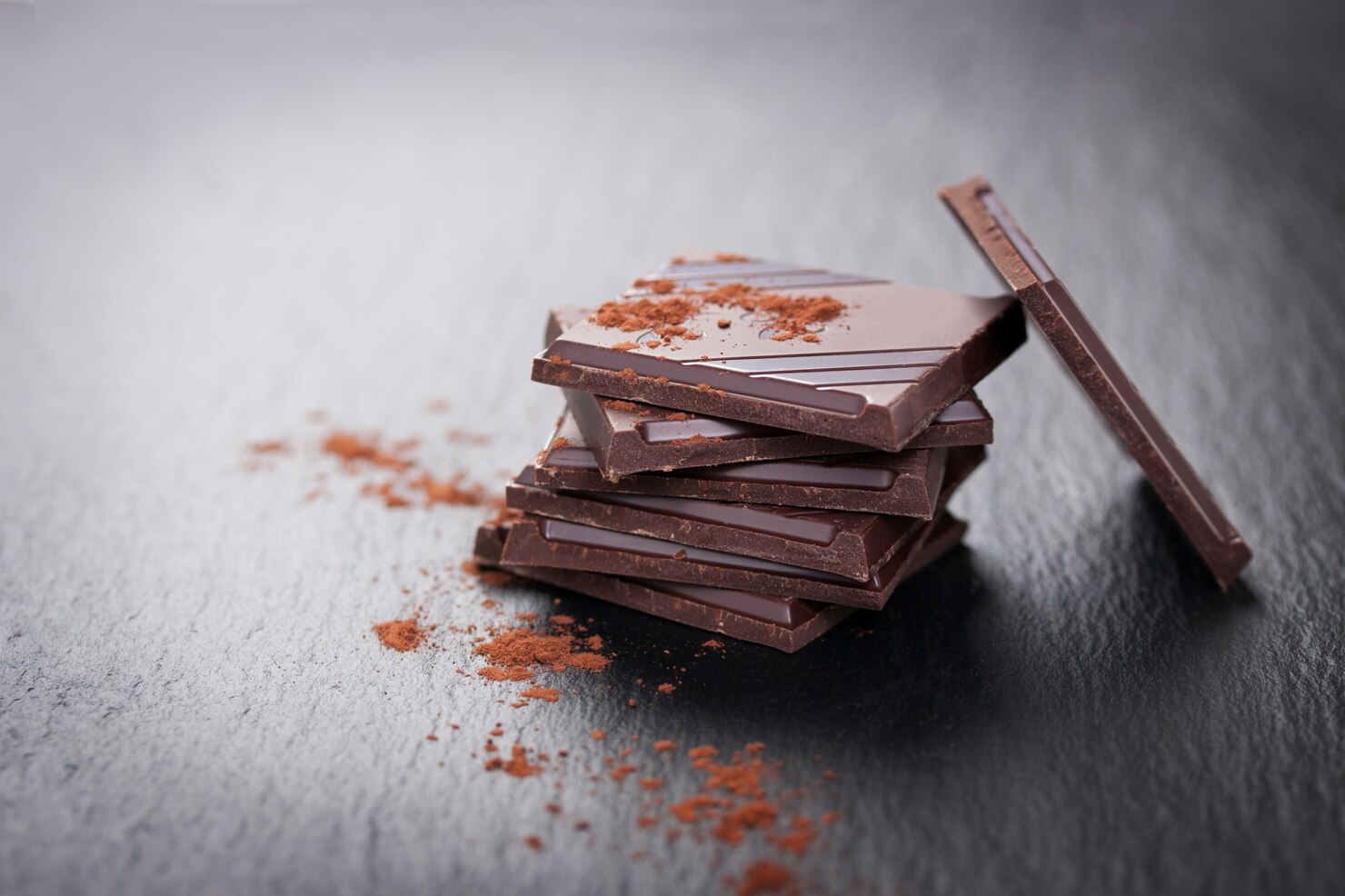
Dark Chocolate skips the milk and uses a higher percentage of cocoa solids — usually 60% to 85% or more. The result is a more intense, complex flavor with notes that can range from fruity and floral to earthy and bold.
Flavor Profiles
Milk Chocolate
Dark Chocolate
Sweetness
High
Low to Medium
Bitterness
Low
Medium to High
Creaminess
Very creamy
Firm, snappy
Best paired with
Caramel, nuts, berries
Red wine, espresso, sea salt
Health Perspective
Dark chocolate (70%+) is richer in antioxidants called flavonoids, which are linked to heart health and reduced inflammation. Milk chocolate has more calcium but also more sugar. Neither is a health food — but dark chocolate has a slight edge nutritionally.
Our Take
At Sweet on Vermont, we love both equally — which is exactly why we offer Milk Chocolate and Dark Chocolate versions of almost every product. From our Moo Chews to our Peanut Butter Pigouts, you get to choose your adventure.
Can’t decide? Our Assortment Pack gives you the best of both worlds.